

Prenatal & Perinatal Psychology
How our earliest experiences shape the nervous system, core beliefs, and lifelong patterns long before we have words.

Prenatal and perinatal psychology looks at the earliest chapter of human development: pregnancy, birth, the first year of life, and the experiences surrounding that time.
This work takes seriously that babies are not blank slates.
Newborns and pre-born babies are aware, responsive, and relational. They take in far more than we once understood, including stress, safety, connection, separation, pain, bonding, and the emotional environment around them.
These early memories may not be verbal, but they can still shape the brain, nervous system, body, and sense of self.
In other words: the earliest experiences can become part of the blueprint.
Not because anyone did anything wrong.
Because babies are already participating in relationship.
Early does not mean forgotten
The earliest part of life matters because the brain, body, and sense of self are developing quickly. So much learning happens through sensation, rhythm, touch, sound, stress, comfort, separation, repair, and relationship.
A baby may not have language, but they are still forming expectations.
Is the world safe?
Do my needs matter?
Does someone come when I signal?
Can I settle into another body?
Do I have to brace, cry harder, pull away, shut down, or stop asking?
These are not thoughts in the adult, word-based sense.
They are early patterns. Early beliefs.
Early impressions about safety, connection, belonging, and self.
More than infant mental health
Prenatal and perinatal psychology overlaps with infant mental health, attachment, trauma, and nervous system work — but it also goes further.
PPN recognizes that consciousness, awareness, memory, and relationship begin before language. It honors the possibility that pre-born and newborn babies are not only developing bodies and brains, but aware beings having experiences that matter.
This does not mean we have to make dramatic claims or force a story onto every symptom.
It means we listen with more respect.
We make room for the possibility that early experiences may be held not only in the nervous system, but also in consciousness, relationship, and the felt sense of who we are.
This lens is for all ages
Prenatal and perinatal psychology is not only for babies.
It can help us understand infants, children, teens, parents, and adults because early patterns may show up later in attachment, anxiety, shutdown, sensory sensitivity, grief, control, collapse, people-pleasing, rage, or the feeling that something in you is always bracing.
For a baby, this work may focus on crying, feeding, sleep, bonding, arching away, difficulty settling, startle responses, or early medical stress.
For a child or teen, it may show up in play, movement, fear, refusal, separation distress, sensitivity, body tension, big reactions, or difficulty trusting support.
For a parent, it may show up when your child’s needs activate something old in you — something you cannot quite think your way out of.
What PPN pays attention to
This approach looks at the whole early story, including:
Pregnancy stress, grief, fear, illness, or major life changes
Birth experiences that felt fast, frightening, painful, medicalized, interrupted, or overwhelming
NICU stays, early separation, adoption, foster care, or time apart from caregivers
Feeding struggles, sleep disruption, excessive crying, medical procedures, or early pain
Bonding that did not feel simple, immediate, or easy
The parent’s nervous system, because babies develop inside relationship
The baby’s cues, rhythms, body language, and ways of communicating
Early memories, beliefs, and patterns that may have formed before words were available
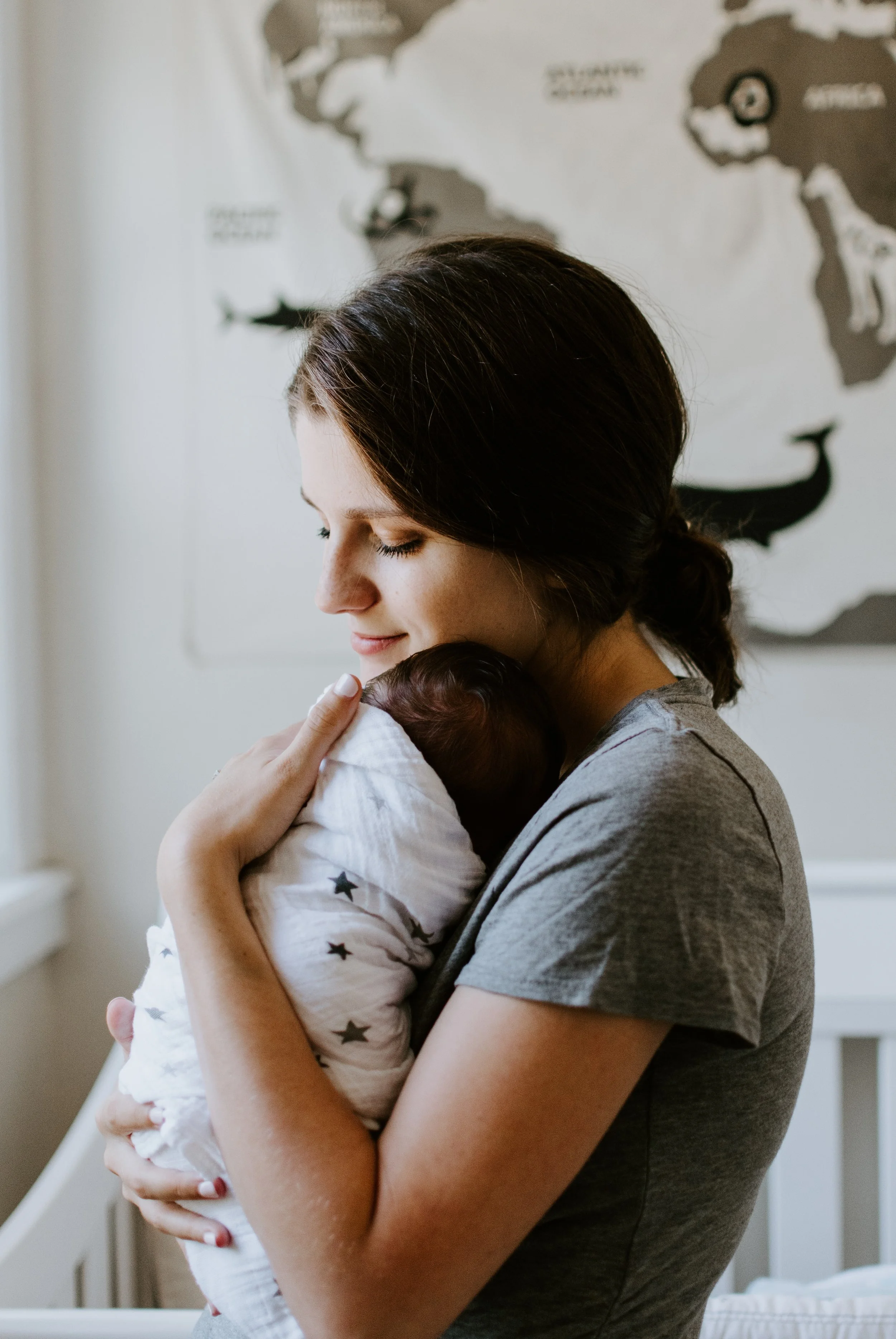
Babies Communicate
Babies and young children are always communicating.
Not in the way we are usually expecting to carry on a conversation.
They communicate through movement and emotion: gaze, crying, turning away, reaching, arching, softening, stiffening, feeding, sleeping, startling, clinging, protesting, withdrawing, and how they settle — or do not settle — into connection.
PPN asks us to slow way, way, down and listen to those signals with respect.
Every movement and every vocalization is some kind of communication. Sometimes in joy, in love, in connection.
But sometimes the nervous system is asking for help.
Sometimes the baby’s experience is asking to be understood.
Bonding can be interrupted — repaired
Bonding is not just a nice idea. It is biological.
Ideally, the first 90 minutes after birth offer a powerful window for parent and baby to meet one another through skin, smell, gaze, sound, touch, instinct, hormones, and mutual recognition. This early bonding process happens between both parent and baby. It is not something that only happens to the baby.
And sometimes, that moment is interrupted.
Medical necessity, NICU care, adoption, separation, anesthesia, pain, fear, exhaustion, postpartum depression, grief, trauma, or survival mode can all disrupt the natural bonding process. That does not mean anyone failed. It means something important was interrupted and may need support.
When early bonding is interrupted, connection can still be built. Rupture can be repaired. Parent and child can find their way toward safety, recognition, attunement, and trust through repeated experiences of being together differently.
A slower transition.
A parent who can breathe again.
A baby who feels noticed.
A child who no longer has to communicate only through distress.
A family that begins to understand the pattern instead of fighting it.
The original moment matters.
And repair is still possible.