
Neurodivergent-Affirming Therapist for Teens and Parents.
Dylan Spradlin, MA, MSW, LCSW, LICSW (they/them)
sERVING CLIENTS VIRTUALLY ACROSS Montana and WASHINGTON
My work is deeply relational, grounded in nervous system science, and the belief that behavior always has a
story behind it.
Healing begins in relationships.
Sometimes the pain began before there were words for it,
but the nervous system remembers.
My work is deeply relational, grounded in nervous system science, and rooted in the belief that behavior always has a story behind it.
I work with sensitive, intense, big-feeling youth and the parents who love them — especially when the usual advice, systems, behavior plans, or therapy approaches have not quite fit.
I don’t believe people are broken. I believe nervous systems adapt brilliantly to what they have lived through, and that many symptoms and behaviors begin to make sense once we understand the story underneath them.
Therapy is not about becoming someone entirely new. It is about creating enough safety to reconnect with who you already are beneath survival, masking, overwhelm, grief, and all the ways you learned to get through.
Why I do this work
Like many therapists, my professional path grew out of my personal one.
I am AuDHD, and I raised a neurodivergent child into adulthood. That means this work is not abstract to me. I know what it is to live outside the expected shape, to question the systems everyone says should work, and to keep looking for a more honest, connected way through.
My own experiences with parenting, grief, loss, healing, and neurodivergence have shaped how I sit with others now. I bring clinical training, lived experience, steadiness, humor, and deep respect for people who have spent too long trying to conform to systems that do not fit.
What it’s like to work with me
Clients often describe me as warm, grounded, deeply attuned, and authentic. I keep a smaller caseload intentionally so I can bring steadiness, presence, and emotional capacity to the people I work with.
This is not rushed work. It is thoughtful, relational work.
I’m not interested in perfection, surface-level parenting strategies, or forcing people to “move on,” “calm down,” or become easier to manage. I’m interested in helping people understand themselves and each other more deeply — so new patterns of safety, connection, and repair can begin to emerge.
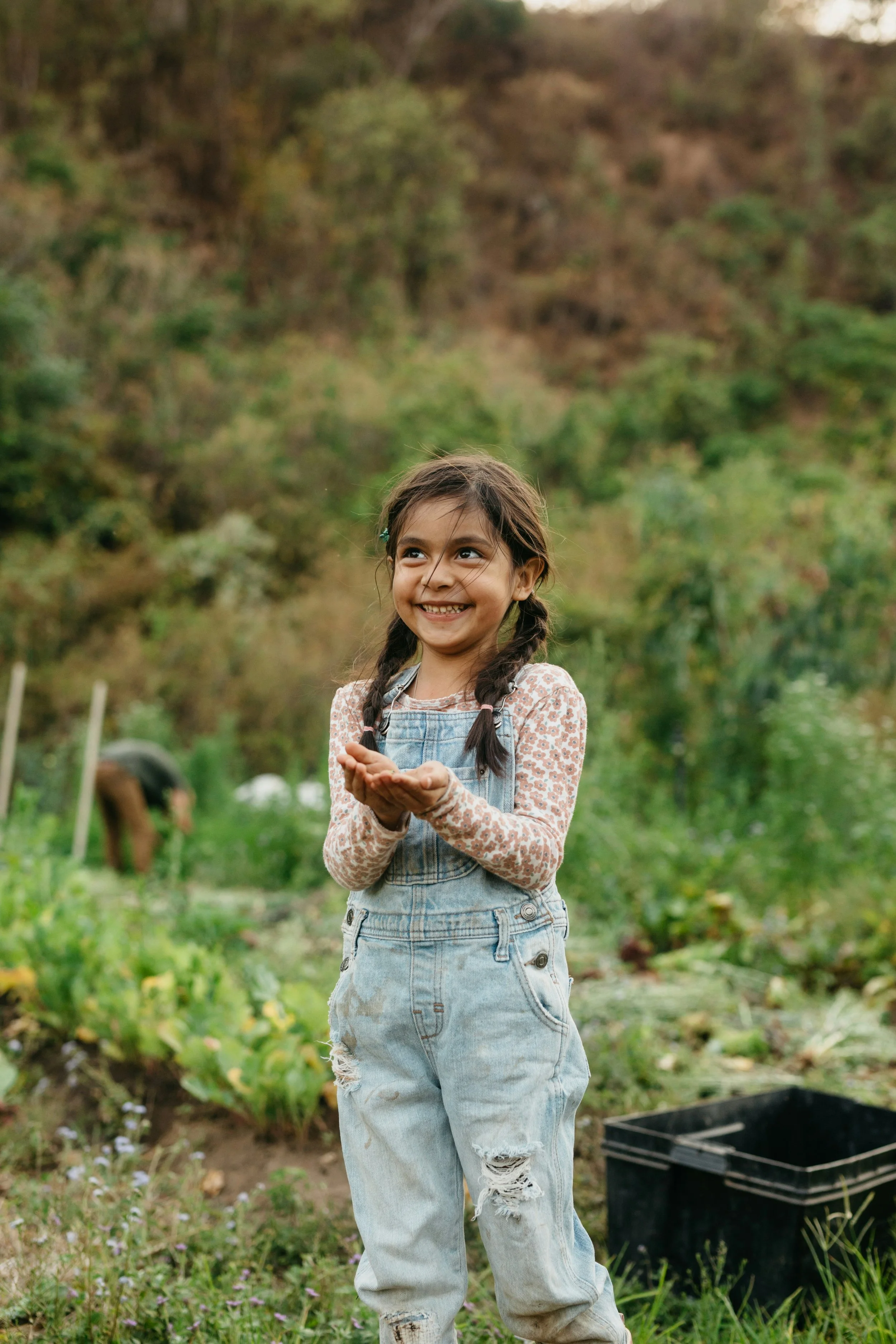
MY GUIDING PRINCIPLES
Authenticity.
No performance required. I bring my real self so you have more room to bring yours.
Safety.
Safety comes first. I work to create a space where feelings, hard stories, and messy truths can be met with steadiness instead of shame.
Respect.
Every person has a story before they have words. I meet people of all ages with dignity, agency, and respect for what their nervous system already knows.
Play.
Play is not extra. It is how many nervous systems explore, repair, and change without needing everything explained in words.
TRAINING & EDUCATION
I’m committed to ongoing education & training to best support your family.
-
Master of Clinical Social Work;
Walla Walla University, Missoula Campus
Master of Clinical Psychology;
Santa Barbara Graduate School
Specialization in Prenatal and Perinatal Psychology (Primary Psychology) & Infant and Child-Centered Play TherapyBachelor of Arts
The Evergreen State College;
focus on Prenatal and Perinatal Psychology.
-
Certified Synergetic Play Therapist™
learn about Synergetic Play TherapyCertified NARM™ Therapist
learn about NARMCertified Grief Informed Professional for children, adolescents and adults
Certified Clinical Trauma Professional (CCTP)
Certified Clinical LCSW Supervisor
-
Play Therapy, Youth & Family Work
Playing Perfectly: A Play Therapist’s Guide to Working with OCD
Working with Siblings in Play Therapy
Infant and Child-Centered Family Therapy
Infant Play Therapy
Aggression in Play Therapy: A Neurobiological Approach to Integrating Intensity
Creative Play Therapy Interventions for Grieving Children, Youth, and Families
Grief, Loss & Medical Trauma
Traumatic Grief: Cognitive, Behavioral, and Somatic Approaches
Mastering the Complexities of Traumatic Grief
Cultivating Post-Traumatic Growth
Reproductive, Infant, and Pregnancy Loss
Medical Trauma, Injury, and Illness
Grief in Foster and Adoptive Children and Families
Attachment, Neurobiology & Early Experience
Embodiment & Neurobiology of Secure, Insecure, and Disorganized Attachment and How to HealCultural Responsiveness
Building Cultural Inclusivity in the Playroom
Working with Native People and Communities -
Outside the therapy space
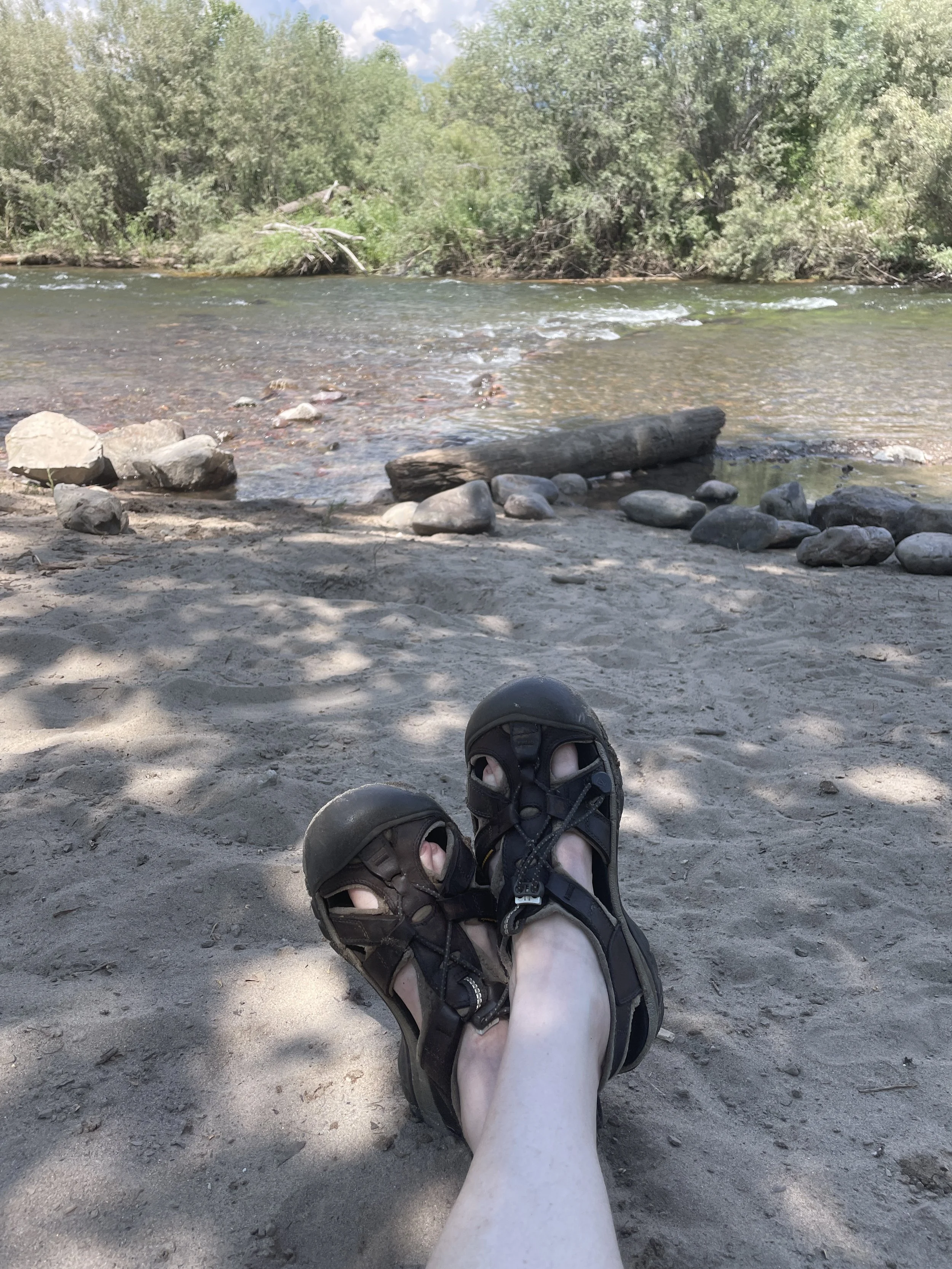
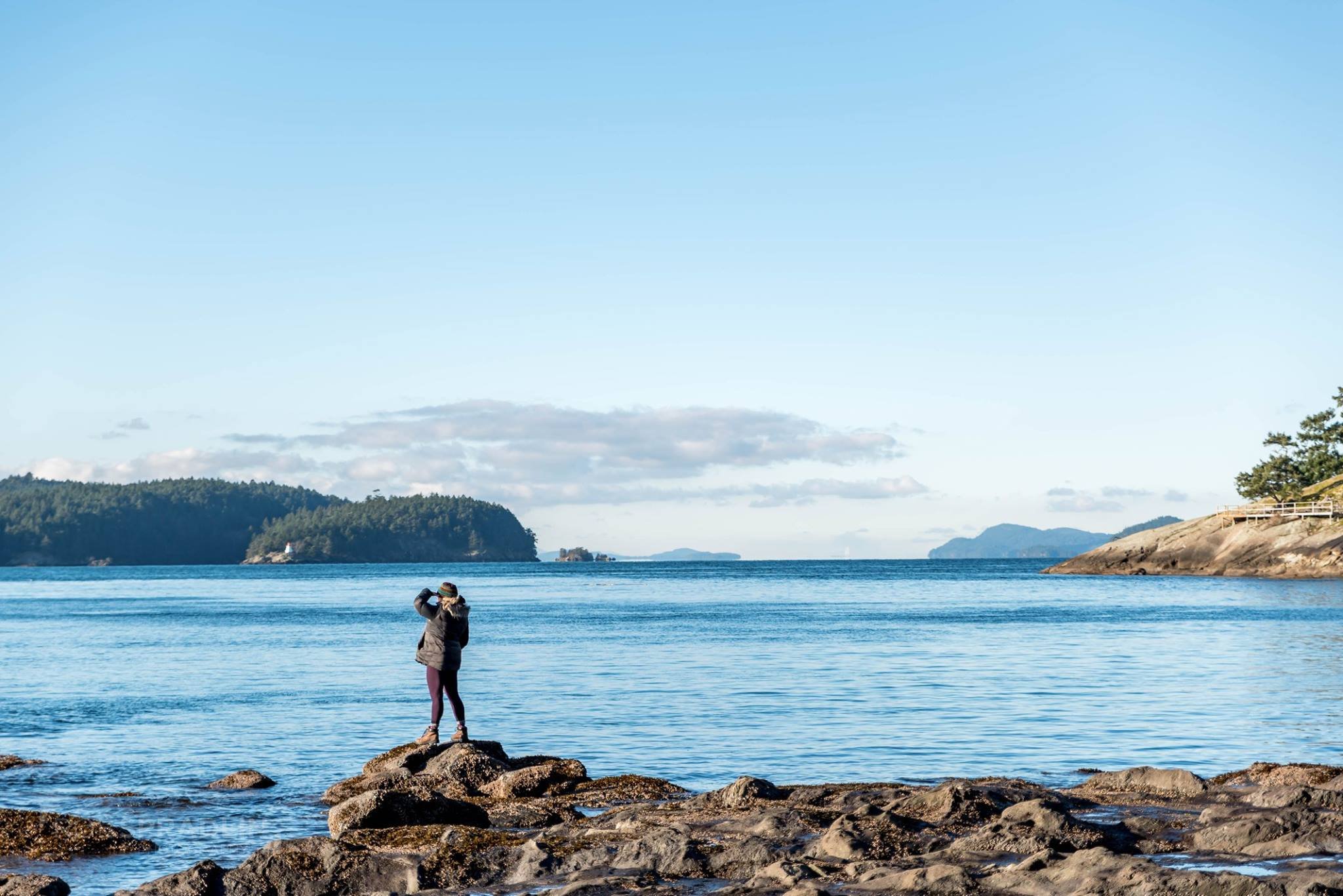
Outside of my work, I’m drawn to wild water, pollinator gardening, stories—the ones we tell ourselves, the ones we live, and the ones we share—and long conversations about what it means to be human.
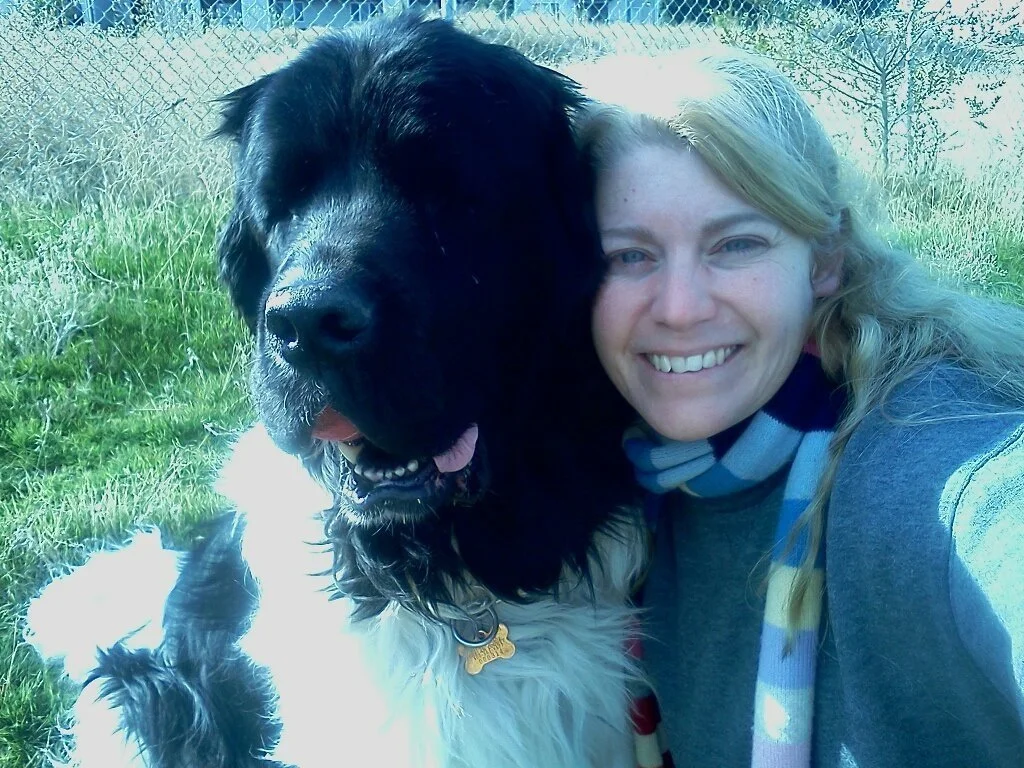
I love dogs and am particularly drawn to Newfoundlands, but will always have rescue dogs.
I believe healing and grief both live close to beauty.
I believe relationships matter.
I believe nervous systems speak constantly.
And I believe people deserve spaces where they can tell the truth without fear of judgment.
Selected Publications
“Fall of the Fairies”, Mothering Magazine, Mar/Apr 2008 (print edition, under the name Dylan Emrys)
“February 16” (poem) and “Spirit of the Child” (essay), in Our Stories of Miscarriage: Healing with Words, anthology edited by Rachel Faldet and Karen Fitton, 1997 (under the name Dylan Emrys)